


A Wasatch Back Sale: Compare Net Proceeds Before Comparing Offers
Published October 4, 2026 · Utah / Wasatch Back · Decision framework
Use comparable property evidence with a clear geographic area, property type, and data period.
Price against the right competition.
An active asking price shows the competition, not a completed sale. Pending activity signals buyer response but may not expose final terms. Closed sales are useful when condition, size, location, and timing are comparable. Adam’s pricing discussion should explain why each comparison belongs and what makes your property different.
Make the property easy to understand.
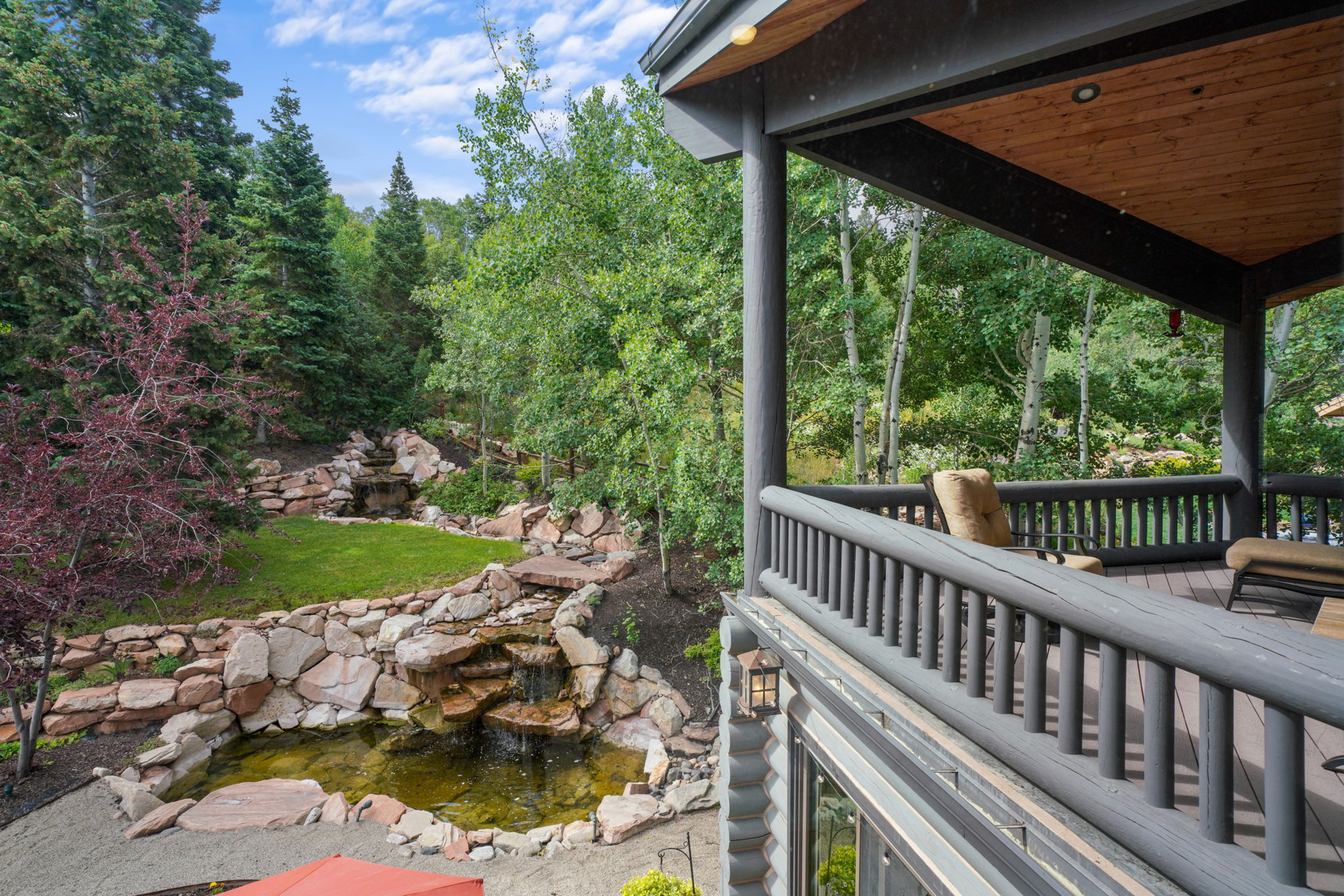
A property website should let a buyer understand the layout, setting, ownership questions, and next step. Strong photography works with accurate copy, a complete gallery, and an actual viewing option. The 7169 Canyon Drive presentation demonstrates that structure; it is a marketing example, not a promise of a particular sale result.
Coordinate the sale with your next move.
A purchase contingency, sale contingency, leaseback, or temporary housing plan changes the timing and risk. Confirm who is responsible for each milestone and how documents and questions will be handled. Plan utilities, keys, movers, and the final property condition before the closing week becomes crowded.
What could change the answer?
The exact property, governing jurisdiction, signed agreement, current source documents, financing terms, and your intended use can change the decision. These questions provide a starting framework; they do not establish a property valuation, approved use, loan terms, or a financial return.
Source / further reading: Related Lawson Team reporting · seller net proceeds.
Source / further reading: CFPB · consumer homebuying resources.